Natural History and Evolution of African Snake Diets
Understanding the diets of African snakes is a long-standing focus of our lab. Our research spans multiple timescales, from examining single populations across seasons, such as Naja nivea, to investigating the evolution of dietary traits within Elapidae. We have compiled dietary data from field studies, community science platforms, published records, museum specimens, and faecal DNA analyses. By integrating these data with morphological and phylogenetic analyses, we address questions about dietary specialisation and generalism across snake lineages. Additionally, we explore how environmental factors, prey availability, and morphological adaptations influence dietary choices, activity patterns, and overall fitness.
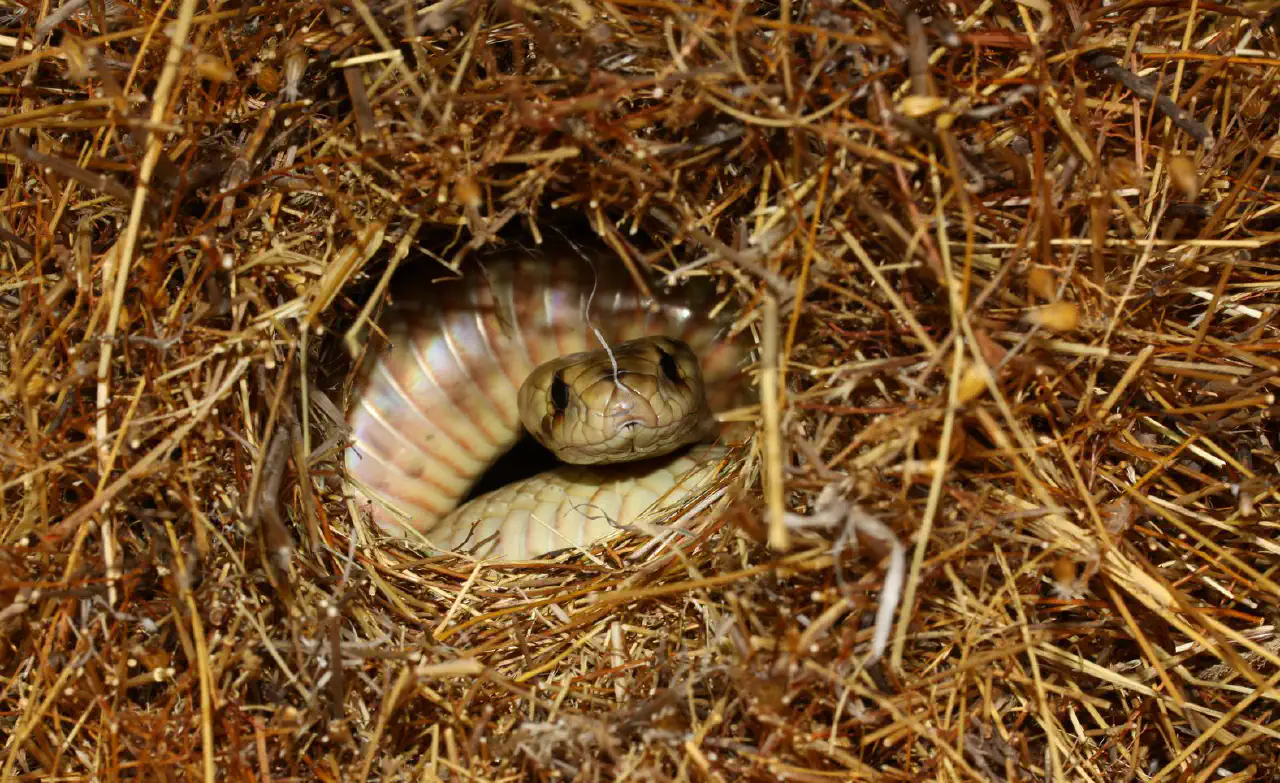
To date, our work has focused on the following lineages: Dispholidus typus (boomslang), Naja nivea (Cape cobra), Dasypeltis scabra (egg-eater), Boaedon capensis (brown house snake), Aparallactus capensis (centipede-eater), Colubrinae, Atractaspididae, Psammophiidae, and Elapidae. Planned research will expand to include Duberria lutrix (slug-eater) and Pseudaspis cana (mole snake).